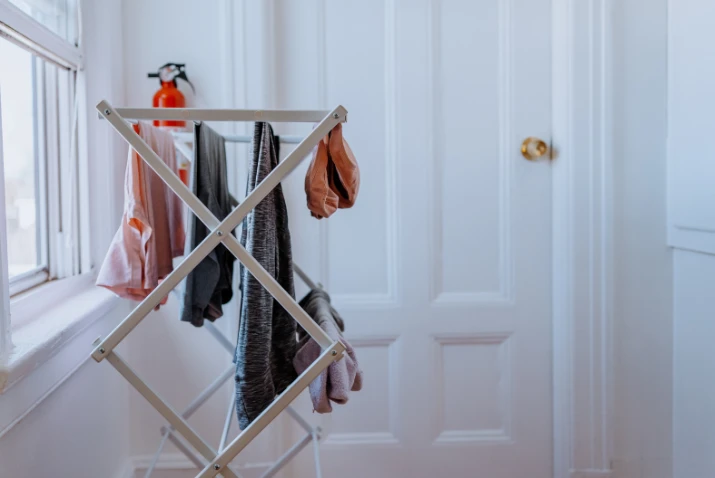
Drying clothes indoors is a normal part of life, particularly during autumn and winter when wet weather makes it harder to hang washing outside.
However, drying laundry inside can introduce a lot of moisture into your home. Without enough ventilation, this can contribute to condensation, damp and mould, especially in smaller properties or rooms that are already poorly ventilated.
The good news is that there are several ways to dry clothes indoors more effectively, without making your home feel damp or your energy bills unnecessarily high.
1. Choose the right room for drying clothes
Where you dry your washing can make a difference to how much moisture builds up in your home.
If possible, choose a room with good ventilation and enough space for air to circulate around your clothes. A bathroom with a working extractor fan can be a practical option, provided you use the fan appropriately and allow moisture to escape.
Avoid drying clothes in small, enclosed spaces with little airflow, as moisture can quickly become trapped.
If you have a spare room, utility area or well-ventilated kitchen, these may be suitable alternatives. Wherever you choose, try to avoid positioning your airer directly against cold external walls.
2. Improve ventilation while your washing dries
Ventilation is one of the most effective ways to help manage moisture when drying clothes indoors.
Opening a window for a short period can help replace humid indoor air with drier outside air, although the effectiveness depends on the weather and conditions inside your home.
If your property has an extractor fan in the bathroom or kitchen, use it according to the manufacturer's instructions. Keep it running for the recommended period after activities that produce moisture, such as showering.
You don't necessarily need to leave windows open all day, particularly during cold weather. Instead, focus on regular ventilation and making sure moisture has a way to escape.
If windows regularly become covered in condensation or you notice persistent damp smells, it may be worth reviewing the ventilation in your home and reporting any faults to your landlord or letting agent.
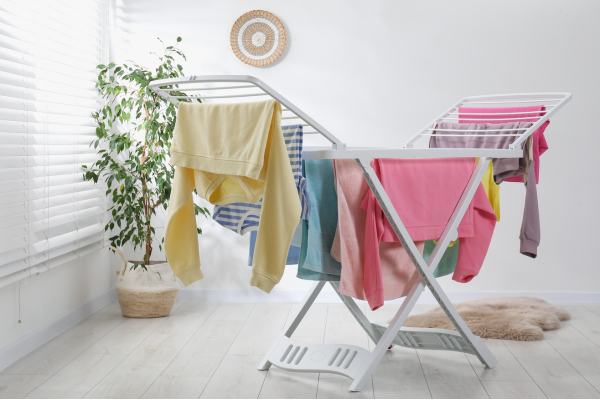
3. Use an airer that allows air to circulate
A good clothes airer can make indoor drying easier, particularly if you're renting a flat without access to a garden.
Choose one that provides enough space to spread clothes out rather than hanging everything tightly together. When garments overlap, air cannot circulate as freely, which can slow drying and leave clothes feeling damp for longer.
Try to leave small gaps between items and avoid placing the airer in a cramped corner.
Foldable airers are useful for smaller rental properties because they can be packed away when they're not needed.
4. Give your washing an extra spin
One of the simplest ways to reduce drying time is to remove as much water as possible from your clothes before taking them out of the washing machine.
If your garments' care labels allow it, an additional spin cycle can help extract excess water, meaning less moisture needs to evaporate inside your home.
Check that the spin speed is suitable for the fabrics you're washing. Delicate items may require a gentler setting to avoid damage.
It's also worth avoiding overloading the washing machine. Clothes need room to move around for an effective wash and spin, so splitting a large load into smaller ones may help.
Although an extra spin uses some electricity, it may reduce the time your washing spends drying indoors.
5. Avoid drying clothes directly on radiators
Putting wet clothes directly on radiators might seem like a quick solution, especially when temperatures drop. However, covering a radiator can restrict heat circulation and may prevent the heating system from warming your room effectively.
It can also encourage you to rely on higher heating settings without necessarily improving the overall drying process.
Instead, use a separate airer positioned at a sensible distance from the radiator, allowing warm air to circulate around the garments. Follow the manufacturer's instructions for both the radiator and the airer, and keep clothing away from heaters and other heat sources where it could create a fire risk.
6. Keep an eye on condensation
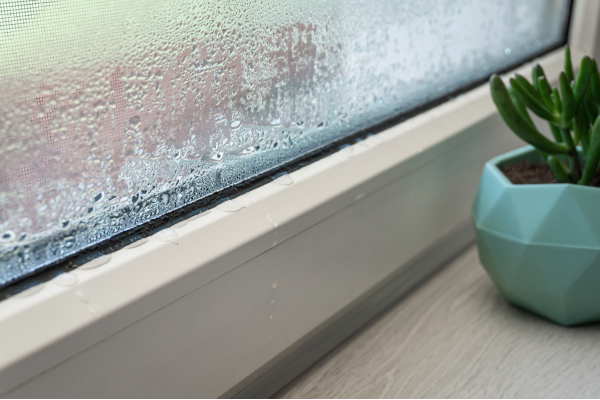
Condensation occurs when moisture in the air comes into contact with a surface that's cold enough for the moisture to turn into water droplets.
It's particularly common during autumn and winter, when the difference between indoor and outdoor temperatures can be significant.
Look out for:
- Water droplets on windows, particularly in the morning.
- Damp patches around window frames.
- Moisture collecting on cold walls.
- Persistent musty smells.
- Black spots appearing around windows or in corners.
If you notice condensation, wipe away excess water from windows and frames with a suitable cloth and allow the area to dry.
Occasional condensation can happen in many homes, but persistent moisture or signs of mould should not be ignored. If the problem continues despite reasonable steps to manage moisture and ventilation, report it to your landlord or letting agent.
7. Consider a dehumidifier
A dehumidifier removes moisture from the air and can be helpful when drying laundry indoors, particularly in smaller homes or during colder months.
There are different types available, including compressor and desiccant models. Their suitability depends on the temperature of the room, the amount of washing you dry and how frequently you use the appliance.
Before buying one, consider the purchase price, electricity consumption, noise level and the size of the space you want to use it in.
Follow the manufacturer's instructions and empty the water tank regularly, unless your model has a suitable continuous drainage system.
A dehumidifier can help manage excess moisture, but it isn't a substitute for adequate ventilation or repairs to an underlying damp problem. If your rental property has persistent damp or mould, make sure you report it rather than relying on an appliance to manage the symptoms.
8. Avoid drying too much washing at once
If you have limited space, it can be tempting to put several loads of laundry on the airer at the same time.
However, a large amount of wet clothing releases moisture into the air as it dries. In a small property, this can make humidity harder to manage, particularly if ventilation is limited.
Where possible, spread your washing across the week rather than doing several large loads in one day.
You could also prioritise smaller or lightweight items that dry quickly, leaving heavier garments such as jeans, towels and bedding for when you have more space or better drying conditions.
This can help prevent your home from becoming overloaded with damp laundry while keeping the process manageable.
9. Make the most of warmer, drier days
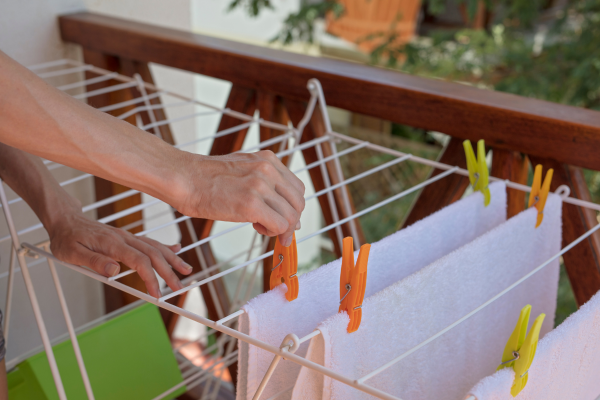
Even during autumn and winter, there may be opportunities to dry clothes outdoors.
Check the weather forecast and take advantage of dry, breezy periods when possible. A few hours outside may remove a considerable amount of moisture from your washing, even if the temperatures aren't particularly high.
If your rental property has a garden, balcony or communal drying area, check your tenancy agreement and any building rules before using it.
You can also bring clothes indoors to finish drying if the weather changes.
On days when outdoor drying isn't practical, combining an extra spin cycle, good airflow and a suitable indoor drying location can help reduce the time your laundry takes to dry.
10. Know when to report a problem
While everyday activities such as cooking, showering and drying clothes produce moisture, persistent damp and mould can have several causes, including inadequate ventilation, leaks, building defects and insufficient heating.
Renters can help manage moisture by ventilating rooms appropriately, using extractor fans and avoiding excessive indoor humidity. However, you shouldn't have to ignore an underlying property problem or rely on temporary measures indefinitely.
Contact your landlord or letting agent if you notice:
- Mould that keeps returning after cleaning.
- Damp patches that appear to be spreading.
- Water leaks or signs of water entering the property.
- Extractor fans that don't work properly.
- Persistent condensation that you cannot reasonably manage.
- A heating or ventilation problem affecting the property's condition.