
Birmingham is one of the UK’s largest and most important cities, combining a central location, strong transport links, major employers, leading universities and a large, varied housing market. Known for its industrial heritage, culture, shopping, sport and continuing city-centre investment, Birmingham appeals to students, young professionals, families and investors.
There are many reasons why people choose to put down roots in Birmingham, and here’s why we think it is such a fantastic place to invest in.
1. Excellent connectivity
Birmingham sits at the heart of the country, giving residents access to national road, rail and air links. This central location is one of the city’s clearest advantages, particularly for people who need to travel across the West Midlands or to other major UK cities.
Birmingham New Street is one of the country’s busiest railway stations and provides direct services to London, Manchester, Bristol, Nottingham and many other destinations in just under an hour and half. The wider city also benefits from the M5, M6, M40 and M42 motorway network, helping make regional and national travel straightforward.
Birmingham Airport also provides a gateway to the world, with 13.7 million passengers travelling through the airport in 2025, making it one of the UK’s largest regional airports and offering convenient access to destinations across the globe for both business and leisure travel.
For commuters, students and businesses alike, Birmingham’s strong road, rail and air connections make it not only a great place to live and work, but also an ideal base from which to travel regionally, nationally and internationally.
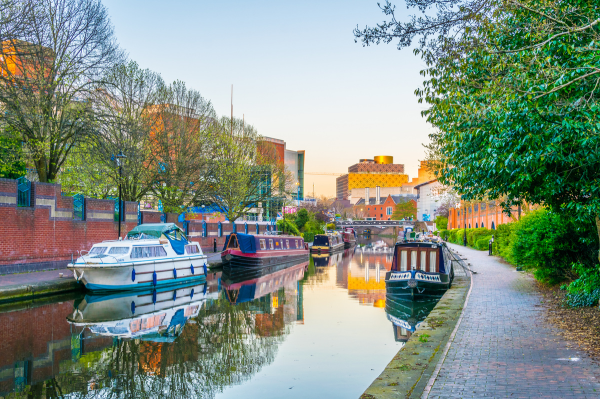
2. Growing and diverse population
Birmingham continues to be one of the UK’s largest urban housing markets, with a large and diverse population supporting demand for homes, services, retail, leisure and employment.
Census 2021 recorded Birmingham’s population at 1,144,900, an increase of around 71,900 people since 2011. This represented population growth of 6.7% over the decade, slightly above the West Midlands rate of 6.2% and broadly in line with England’s 6.6% growth.
Census 2021 also recorded important changes in how people live in the city. Owner occupation fell from 55.2% in 2011 to 52.7% in 2021, while private renting increased from 17.9% to 22.6%. Social renting remained a significant part of the housing market at 23.5%, above both the West Midlands and England averages, enabling affordable homes to be delivered for those that live there.
Birmingham also has a strong student presence, who make up 10% of residents aged 16 and over in 2021, up from 9% in 2011. This helps support a vibrant local economy, particularly around education, shared housing, retail, hospitality and leisure.
3. Strong economy and employment opportunities
Birmingham is a major regional employment centre with strengths across public services, education, healthcare, transport, retail, professional services, culture and hospitality.
The city has several important employment and institutional anchors, including University Hospitals Birmingham NHS Foundation Trust, the University of Birmingham, Aston University, Birmingham City University and University College Birmingham. These organisations support jobs directly, while also attracting students, researchers, healthcare workers and professional households into the city.
Birmingham’s economy is also supported by long-term regeneration. Birmingham City Council’s Big City Plan is a city-centre masterplan launched in 2010 as a 20-year plan, so its figures should be seen as long-term regeneration targets rather than a short-term development programme. The plan identified more than 1.5 million square metres of new floorspace, over 50,000 jobs and more than 5,000 homes for the city centre.
For people looking to move for work, study or career progression, Birmingham offers the advantages of a large city economy while remaining more affordable than many parts of the UK.
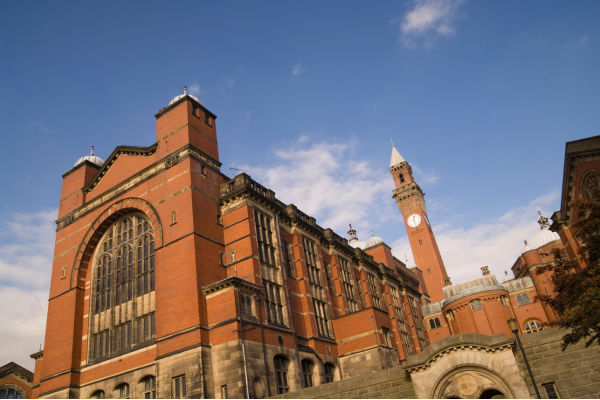
4. Education and universities
Birmingham offers a wide range of education options for families, students and graduates, from schools and colleges through to internationally recognised universities.
The city’s higher education sector is one of its major strengths. Key institutions include:
• University of Birmingham
• Aston University
• Birmingham City University
• University College Birmingham
These universities help shape the local economy and support demand for rental accommodation in areas such as Selly Oak, Edgbaston, the city centre and other well-connected neighbourhoods.
The student accommodation market is an important part of Birmingham’s housing picture. 80,000 undergraduate students flock to the city each year thanks to its three universities. Birmingham’s education offer adds to the city’s long-term appeal and helps create a broad mix of neighbourhoods, housing types and local communities.
5. Great amenities and lifestyle
Birmingham offers the amenities of a major city with a wide choice of shopping, culture, food, entertainment, sport and green space.
Residents can enjoy:
• The Bullring and Grand Central shopping areas
• Brindleyplace and the canal network
• The Jewellery Quarter, with beautiful quiet areas such as St Pauls Square
• Digbeth’s creative and independent food and drink scene
• Theatres, galleries, music venues and cultural attractions
• Edgbaston’s sporting venues and green spaces
• A wide range of restaurants, bars and nightlife
Birmingham’s size means it can suit many different lifestyles. People looking for city-centre living can find apartments close to transport, shopping and entertainment, while families can look to established residential areas with access to schools, parks and local amenities.
The city also benefits from its wider regional setting, with access to the West Midlands, countryside, nearby towns and other employment centres. For residents who want the energy of a large city without losing regional connectivity, Birmingham offers a strong balance.
Sue Robinson, Senior Sales Manager at Leaders Maypole, says, “The areas covered by our Maypole branch continue to attract significant interest from investors thanks to their strong rental demand, competitive property values and broad appeal to families and professionals alike.
“Locations such as Kings Heath, Warstock, Yardley Wood, Billesley and Shirley, Wythall and Hollywood each offer their own strengths, from affordability in key pockets to highly desirable residential areas, alongside excellent connectivity and long-term growth potential, making them popular choices for those investing in Birmingham's property market, with continued investment in the area and strong buyer demand further enhancing their appeal for long-term value and growth.”
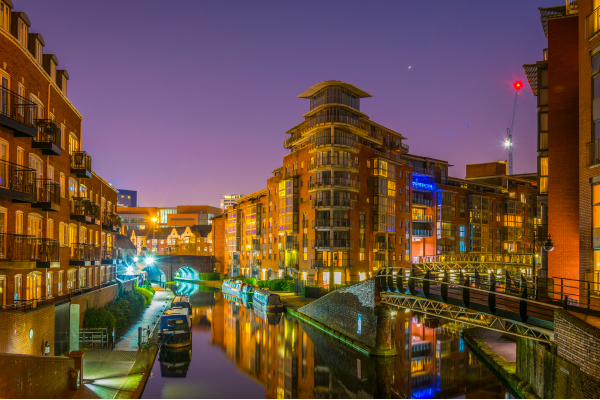
6. Housing information
To understand what you can get for your money in Birmingham, and rental returns as an investor, here are the latest property prices, rents and tenure splits in the area.
Average property prices in Birmingham remain below the UK average, while rents sit above the West Midlands average. This combination helps explain why Birmingham continues to attract interest from buyers, renters and investors.
Average property prices (March 2026, ONS)
• Detached properties: £441,000
• Semi-detached properties: £273,000
• Terraced properties: £220,000
• Flats and maisonettes: £145,000
• Average overall house price: £238,000
• First-time buyer price: £211,000
Average rents as of April 2026 in Birmingham were: £1,086
• One bedroom: £820 +3.7%
• Two bedrooms: £992 +3.4%
• Three bedrooms: £1,119 +3.4%
• Four or more bedrooms: £1,562 +2.3%
Taking the data instead by property type, average rents were:
• Flats and maisonettes: £909
• Terraced properties: £1,082
• Semi-detached properties: £1,136
• Detached properties: £1,420
Tenure split (Census 2021)
• Owner occupied: 52.7%
• Private rented: 22.6%
• Social rented: 23.5%
Kate Ferris, Senior Branch Manager at Leaders Kings Norton, says, “South Birmingham’s rental market remains one of the strongest in the city, supported by attractive suburbs, good schools, thriving high streets and improving transport links. Areas such as Harborne, Moseley, Stirchley, Kings Heath and Kings Norton continue to attract professionals and families, keeping demand high. In 2025, Harborne was named Birmingham’s best place to live by The Sunday Times, reflecting its strong reputation for amenities, schools and village atmosphere.
“Connectivity has also improved significantly with the reopening of the Camp Hill Line and the new stations at Pineapple Road (Stirchley), Kings Heath and Moseley Village, giving these neighbourhood's direct rail access to Birmingham city centre for the first time in more than 80 years. This investment is expected to support further regeneration and rental demand across South Birmingham.”
Birmingham’s private rented sector is supported by a mix of students, young professionals, families, healthcare workers, university staff and people moving for work. The city also has important licensing requirements, including additional HMO licensing for smaller HMOs and selective licensing across 25 wards, so investors and landlords need to understand the local rules as well as the rental demand.
Looking to live or invest in Birmingham? We have 3 branches in the area! Get in touch with our property experts to find out more about the local market and the best areas to suit your needs.
Leaders Birmingham Central / Leaders Kings Norton / Leaders Maypole